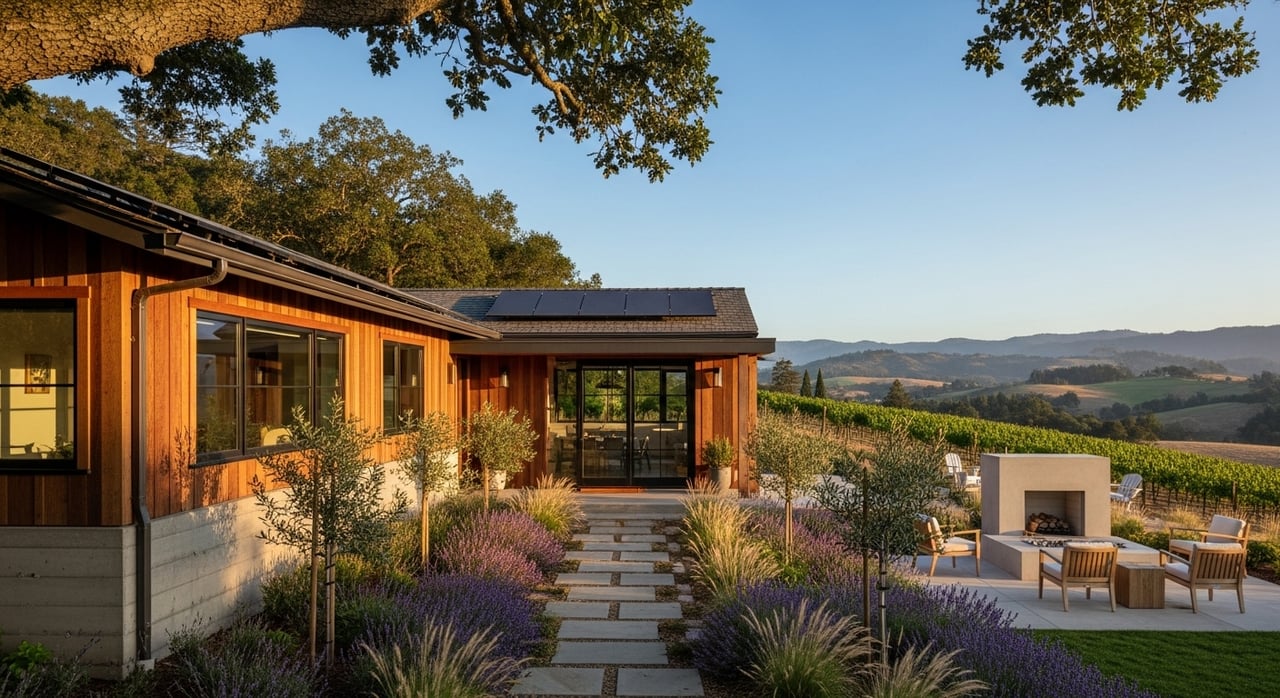
If you are planning an ADU in Sebastopol, how you finance it will shape your total cost, speed, and long‑term returns. Sebastopol is ADU‑friendly, with pre‑reviewed plans and fee breaks on smaller units, but most projects still rely on a smart mix of equity, renovation loans, or construction financing. This guide walks you through the best options, what lenders want, and a clear path to move from idea to keys.
Why Your ADU Financing Strategy Matters
Your financing choice touches every step of your project. It affects your cash needs before permits, how quickly you can start, your payment during construction, and your long‑term monthly budget after the unit is complete. Sebastopol allows ADUs widely and exempt impact fees for units 750 square feet or smaller, which can lower upfront costs, but you still need a plan that matches your goals and timeline per the city’s ADU code and local resource summaries with sample fees and pre‑reviewed plan options via Napa‑Sonoma ADU.
A clear financing path also helps you sequence the work: rough budget and pre‑qual, then design, permits, draws, and inspections. That order keeps approvals smooth and reduces surprises.
Clarify Budget, Timeline, and Equity
Project goals and use case
Start with why. Is your ADU for family, aging in place, rental income, or guest use? Your purpose drives size, finishes, and budget. Sebastopol allows detached ADUs up to 1,000 square feet on larger lots, with standards set in the municipal code outlined here. Bigger and higher‑end builds cost more and take longer, so tie scope to your goals.
Total project budget and soft costs
Think beyond bricks and concrete. Your budget should include:
- Hard costs: foundation, framing, systems, finishes
- Soft costs: design, engineering, permits, school fees, plan check, inspections
- Utilities: water, sewer, electrical service upgrades
- Contingency: 10 to 15 percent for unknowns
Local summaries show sample permit fees around the $5,000 range for ADUs at or under 750 square feet and around $10,000 for larger units, but fees change, and school fees are separate. Always confirm current schedules with the city and county see Napa‑Sonoma ADU overview. Sonoma County also lists certain fee waivers in specific fire‑recovery situations per county code. For planning, use the county ADU calculator to build a site‑specific cost view via Permit Sonoma.
For market context, detached ADUs in the Bay Area often land in the broad range of about $150,000 to $450,000 or more, with some projects priced on a per‑square‑foot basis that can vary widely by scope and finish level industry summaries. Conversions can be lower but still swing with site conditions and utility work.
Equity, cash, and borrowing capacity
Check your usable equity, credit profile, and savings. This will guide you toward a HELOC, a cash‑out refi, a renovation loan, or a construction‑to‑perm loan. If you lean on a HELOC for soft costs, review how draws and variable rates work and the risks of securing debt against your home CFPB overview.
Value and cash‑flow modeling
Sketch a simple pro forma. Estimate an after‑improvement value, add likely rent if you plan to lease the ADU, and compare payments under different loan types. Some renovation programs allow underwriting based on the completed value, which can improve loan sizing Fannie Mae HomeStyle reference. FHA has also issued guidance on ADUs and when rental income may be considered in qualifying HUD update.
Risk tolerance and rate outlook
Consider your comfort with construction risk and interest rate moves. HELOCs are often variable. Construction loans carry higher rates during the build. Fixed loans bring predictability. Choose the structure that lets you sleep at night.
Top Ways to Finance an ADU
Cash‑Out Refinance
A cash‑out refi replaces your first mortgage with a larger one and gives you a lump sum for construction. It can make sense if you are consolidating high‑rate debt or want one fixed payment. The tradeoff is giving up a favorable existing rate and incurring closing costs. Review the pros and cons carefully with your lender and consider CFPB insights on borrower outcomes for cash‑out refis CFPB report.
Home Equity Line of Credit
A HELOC is a revolving line secured by your home. It is flexible and matches construction cash flow well because you draw as needed. Many HELOCs have variable rates and can shift to amortizing payments after the draw period. Understand how your payment could change over time CFPB explainer.
Home Equity Loan
A home equity loan is a fixed‑rate second mortgage with a lump‑sum disbursement. Payments are predictable and can fit a well‑scoped budget. The downside is less flexibility if bids change or utilities add surprise costs.
Construction‑to‑Perm Loan
A construction‑to‑permanent loan funds the build in draws and converts to a regular mortgage at completion. You will provide stamped plans, a fixed contract, budget, and timeline. Expect inspections before each draw and stricter underwriting standards. It is designed for ground‑up builds and often interest‑only during construction loan structure overview.
Renovation Mortgages
Renovation loans wrap improvements into one mortgage and often use the after‑improvement value for appraisal. Two common paths:
- Fannie Mae HomeStyle Renovation: supports ADUs as part of the work scope and can be used for purchase plus renovation or refinance plus renovation program details.
- FHA 203(k): finances rehab work and has guidance on when projected ADU rental income may help in qualifying. FHA standards and mortgage insurance apply HUD guidance.
Pros: single close and a predictable path if your lender is experienced. Cons: paperwork and contractor rules are stricter, and not all lenders offer them.
Government‑Backed Loans
FHA 203(k) is the most common federal option for rehab with an ADU component HUD reference. Eligibility, loan limits, primary residence requirements, and documentation apply. If you plan to use projected rent, ask the lender for their exact underwriting rules.
Portfolio and Local Lenders
Local banks and credit unions sometimes offer portfolio renovation or construction loans. These can be more flexible on unique sites, septic, or phased work. Ask about draw process, contingency requirements, and whether they consider after‑improvement value.
ADU‑Specific and Private Financing
Some ADU builders and private lenders provide in‑house or partner financing. It can be faster but may carry higher rates or fees. Verify licensing and compare APRs, prepayment rules, and total cost of capital against bank options industry overview.
Grants, Rebates, and Incentives
California’s ADU grant through CalHFA has been popular for covering pre‑development costs, but funds have been fully reserved in past rounds. Always check current status before you count on it CalHFA ADU page. Sonoma and Sebastopol offer planning tools, pre‑reviewed plans, and sometimes fee adjustments that can lower soft costs local rules and tools and county calculator. Some fee waivers apply only in defined fire‑recovery situations county code.
Cash, Savings, and Hybrid Funding
Using cash eliminates interest and simplifies approvals. Many owners pair cash for soft costs with a HELOC, renovation loan, or construction‑to‑perm for the build. That mix keeps the project moving while controlling long‑term debt.
What Lenders Look For on ADUs
Appraisals and after‑improvement value
Appraisers review your plans, specs, and comparable properties to estimate completed value. More detail helps. Renovation loans often lean on after‑improvement value, which can improve loan size if comps support it HomeStyle program notes.
Income considerations
If you plan to rent the ADU, ask if the lender can consider projected rent for qualifying. FHA has issued guidance that allows consideration under certain conditions, but lender overlays vary HUD update.
LTV, DTI, and reserves
Loan‑to‑value, debt‑to‑income, and cash reserves all matter. A stronger equity position and healthy reserves reduce risk and can speed approvals.
Plans, permits, and contractor vetting
Lenders will expect a licensed contractor, a detailed scope and budget, and proof that your project complies with local rules. Sebastopol provides standards for unit size, setbacks, and utilities city code. Pre‑reviewed plans can streamline plan check and cut soft costs city resources.
Draw schedules and inspections
For construction and renovation loans, funds are released in stages after inspections. Keep your contractor and lender in sync on milestones, lien waivers, and change orders.
Align Funding With Design and Build
Pre‑application checklist
- Project goals and target size
- Preliminary budget with contingencies
- Site info: lot survey, utilities, septic or sewer
- Pre‑reviewed plan selection or architect concept
- Income docs, asset statements, mortgage statements
- Contractor shortlist and references
Get comparable bids and contingencies
Seek at least two qualified bids. Ask each contractor to price the same scope so you can compare apples to apples. Include allowances and a contingency line. Bids will inform loan sizing and underwriting.
Choose the right structure for timing
- For conversions or modest builds with predictable costs, a home equity loan or HomeStyle Renovation can work well.
- For ground‑up detached units, a construction‑to‑perm or renovation loan with clear draws can reduce friction.
- For soft costs early on, a HELOC can bridge design, permits, and deposits.
Manage draws and change orders
Document changes quickly and alert your lender when the scope shifts. Schedule inspections early to avoid delays. Utility work can add time, especially electrical service upgrades, so plan lead times and keep a buffer regional delay context.
Plan your exit or refinance
After completion and lease‑up, you may choose to refinance into a simpler fixed mortgage, pay down a HELOC, or keep the structure as is. Re‑run your pro forma with actual rent and updated expenses.
Next Steps to Finance Your ADU
Action plan summary
- Define your goals and target size
- Build a realistic budget using the county ADU calculator and city standards Permits and calculator and Sebastopol code
- Pre‑qualify with two lenders, including one that offers HomeStyle or 203(k) program references and HUD guidance
- Confirm current local fees and any incentives or grant status Napa‑Sonoma ADU and CalHFA ADU page
- Select your contractor and finalize plans
- Lock the financing, pull permits, and start draws
- Reassess at completion for refinance or payoff
How RealWise supports your ADU
You do not have to DIY this. We help you:
- Pressure‑test your budget with local rules, fees, and realistic timelines
- Model after‑improvement value and rent ranges to guide loan selection and budget decisions
- Introduce lenders experienced with HomeStyle, 203(k), HELOCs, and construction‑to‑perm loans
- Recommend ADU‑savvy builders for your project
Ready to map the best path for your ADU in Sebastopol? Start a conversation with Stephanie Johnson. Get More with RealWise Properties!
FAQs
How large can my ADU be in Sebastopol?
- Size depends on lot and bedrooms. Detached ADUs commonly range up to 1,000 square feet on larger parcels, with standards set in the city code. Always confirm setbacks, height, and utilities with the city Sebastopol ADU code.
What fees should I budget for besides construction?
- Plan for permits, plan check, school fees, design, engineering, and utility work. Units 750 square feet or less are exempt from impact fees in Sebastopol, but other fees still apply. Verify current amounts with the city and county local summary and county calculator.
Are there grants to help with ADU costs?
- CalHFA’s ADU grant has filled quickly in prior rounds and may or may not be available at any given time. Check current status before counting on it CalHFA ADU page.
Which loans consider the ADU’s future value or rent?
- Fannie Mae HomeStyle Renovation often uses after‑improvement value, and FHA 203(k) has guidance for when projected ADU rent can help with qualifying. Lender policies vary, so ask early HomeStyle and HUD update.
Should I use a HELOC for soft costs?
- Many owners do, because a HELOC lets you draw as needed for plans, permits, and deposits. Review variable rate and repayment rules to avoid surprises CFPB HELOC guide.
How do I control timeline risk with utilities?
- Ask for utility scope and lead times early and keep a buffer in your schedule. Electrical service upgrades and tie‑ins can delay projects in the region context.
Where can I find local ADU rules and planning tools?
- Start with the Sebastopol municipal code for standards, check the Napa‑Sonoma ADU summary for local guidance and sample fees, and use the county ADU calculator for project planning Sebastopol code, Napa‑Sonoma ADU, and Permit Sonoma tools.